

Endocrine Disruptors, Hormones and Women's Wellbeing
In today’s environment, we are exposed to a wide range of chemicals often referred to as endocrine disrupting chemicals (EDCs).
These compounds are found in everyday items such as plastics, personal care products, household cleaners, food packaging, and environmental pollutants.
EDCs are of growing interest in research due to their potential to interact with the body’s natural hormone systems.

What Are Endocrine Disrupting Chemicals?
Endocrine disrupting chemicals are substances that may influence how hormones function in the body.
Current research suggests they may:
- interact with hormone receptors
- influence how hormones are produced or processed
- affect how the body responds to hormonal signals
Because hormones play a role in many aspects of wellbeing — including mood, energy, metabolism, and the menstrual cycle — this is an area of increasing awareness, particularly for women.
Why This Matters for Women’s Hormonal Balance
Hormones work in a finely tuned rhythm.
While the body has natural systems to process and remove unwanted substances, ongoing exposure to environmental chemicals — combined with stress, poor sleep, and nutritional gaps — may place additional demand on these systems.
For some women, this may be associated with:
- changes in skin health
- fluctuations in energy
- feeling more sensitive to stress
- changes in mood
- feeling more depleted during certain phases of the cycle
This is why supporting overall wellbeing — including nutrition, lifestyle, and environmental awareness — can be an important part of maintaining hormonal balance.
Common Sources of Environmental Exposure
EDCs can be found in a wide range of everyday products and environments, including:
- plastics and food packaging
- non-stick cookware
- cosmetics and skincare products
- household cleaning products
- pesticides and herbicides
- drinking water
- fragrances and perfumes
- textiles and furnishings
Some commonly discussed compounds include:
- Bisphenols (such as BPA and similar compounds)
- Phthalates
- PFAS (often referred to as “forever chemicals”)
- Heavy metals such as lead and mercury
- Certain agricultural chemicals
Awareness of these sources can help guide simple lifestyle choices to reduce exposure where possible.
🌊 Microplastics and Everyday Exposure
Microplastics are small particles that result from the breakdown of plastic materials. They are now being studied for their widespread presence in the environment, including water, soil, and food systems.
While research is ongoing, reducing unnecessary exposure to plastics where possible is a simple and practical step many people choose to take as part of a wellness-focused lifestyle.

🌿 Supporting Your Body in a Modern Environment
While we can’t eliminate all environmental exposures, there are many practical steps you can take to reduce your overall load and support your body in everyday life.
The focus is not perfection, but making simple, sustainable changes over time.
🌱 Reducing Everyday Exposure
- Choose natural or low-tox personal care products where possible, including skincare, makeup, and household cleaning products
- Be mindful of synthetic fragrances in perfumes and body products, and opt for cleaner alternatives
- Consider reducing exposure to certain chemicals commonly found in sunscreens by choosing mineral-based, natural options
- Avoid unnecessary contact with paper receipts where possible
💧 Water and Home Environment
- Consider water filtration options to support overall water quality in the home
- Shower or whole house filters may be an option for those wanting to reduce exposure to chlorine and other common water additives
- Creating a cleaner home environment can be a helpful part of a holistic wellness routine
🥗 Food and Storage Choices
- Choose whole, unprocessed and hormone free foods where possible
- Many people prefer organically grown foods to reduce exposure to agricultural chemicals
- Use glass or stainless-steel containers for food storage when possible
- Reduce reliance on plastic bottles and containers, particularly for food and drinks
🌿 Supporting the Body Through Lifestyle Practices
Certain lifestyle practices are commonly included in wellness routines to support relaxation and overall wellbeing:
- Sauna therapy, including near infrared options, is often used as part of relaxation and recovery routines
- Gentle movement, stretching, and regular exercise to encourage sweating is helpful
- Adequate hydration with clean, mineral rich water
- Prioritising sleep and recovery
These practices may help support how you feel day to day and contribute to a balanced lifestyle.
🌸 Nutritional and Wellness Support
Some individuals choose to include additional nutritional or wellness support as part of their routine. This may include:
- fibre-rich foods
- antioxidants
- amino acids
- greens and wholefood-based supplements
These approaches are often used alongside a balanced diet and healthy lifestyle.
Amino Acids and Nutritional Compounds
Certain amino acids and nutrients are commonly included in wellness routines to support general health and the body’s natural metabolic processes.
These may include:
- Glycine – an amino acid involved in many functions in the body and commonly included in daily wellness routines
- Taurine – plays a role in bile production and is often included in formulations designed to support general digestive function
- N-acetyl cysteine (NAC) – a precursor to glutathione, an antioxidant naturally produced in the body
- Fibre (such as partially hydrolysed guar gum) – supports healthy digestion and regular bowel function
These nutrients are typically used to support overall wellbeing as part of a balanced diet and lifestyle.
🌿 Herbal Support for Digestive and Liver Health
Many herbs have a long history of traditional use in supporting digestive function and general wellbeing.
Commonly used herbs include:
- Dandelion root – traditionally used in Western herbal medicine to support healthy liver function and digestion
- Burdock root – traditionally used to support skin health and assist the body’s natural elimination processes
- Milk thistle – traditionally used to support liver health and protect liver cells
- Schisandra – traditionally used to support general wellbeing and vitality
- Turmeric – traditionally used to support digestion and general health
These herbs are often included in wellness formulations designed to support the body during times of increased environmental or lifestyle demand.
Supporting Women Through Stress and Hormonal Change
At Wholistic House, we are passionate about supporting women through the demands of modern life.
Our formulations are designed to:
- support calm and relaxation
- nourish the nervous system
- support daily energy and wellbeing
- complement a balanced lifestyle
If you would like guidance on choosing the right products for your individual needs, our team is here to help.
Visit www.wholistichouse.co to learn more
In love, health and purity,
 xxx
xxx
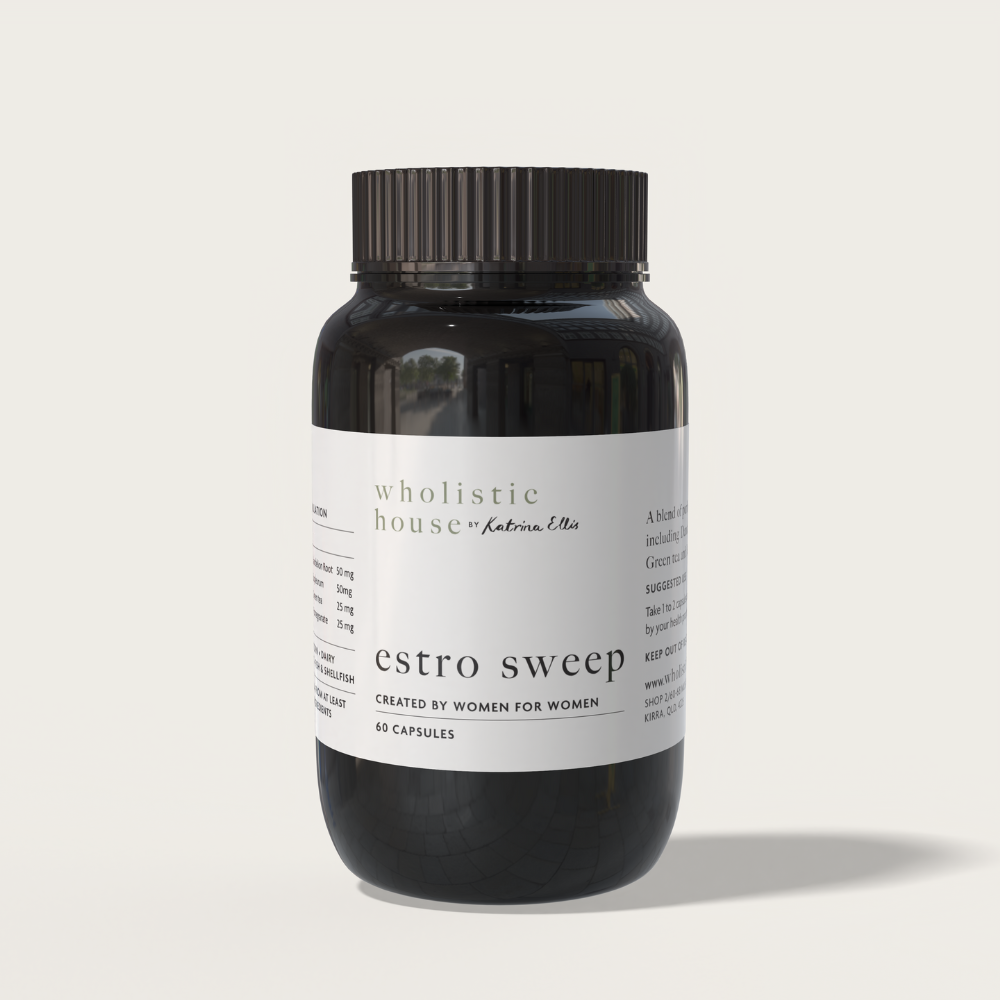
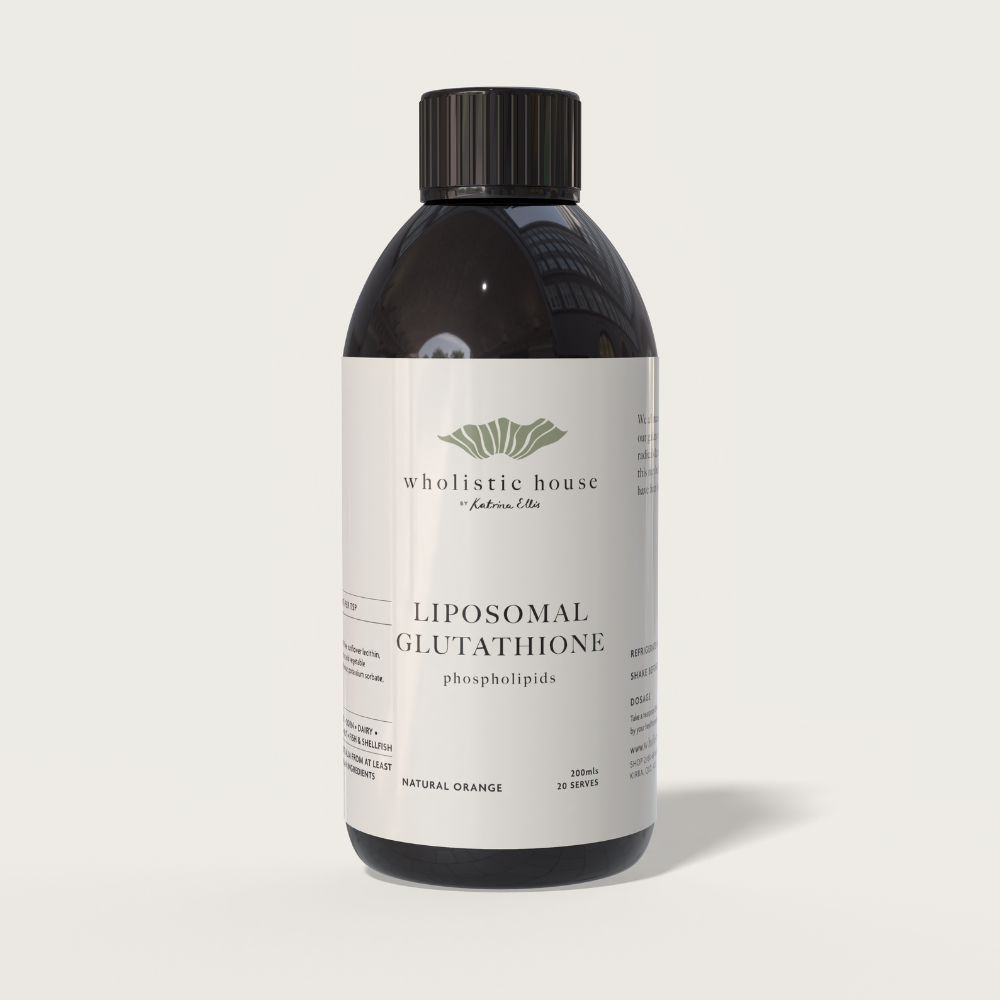
Referenced products


Leave a comment
This site is protected by hCaptcha and the hCaptcha Privacy Policy and Terms of Service apply.