
Article: The Liver-Hormone Connection
The Liver-Hormone Connection
Your Liver and Your Hormones: What No One Is Connecting for You
If you've been dealing with fatigue that doesn't shift, skin that's acting up, cycles that feel heavier or more symptomatic than they used to, or that vague sense of being bloated and a bit flat — your liver is worth paying attention to.
Not in a dramatic way. Not a "cleanse." Just consistent, targeted support for an organ that's quietly doing an enormous amount of work — and one that, when under pressure, tends to show up in your hormones before it shows up anywhere else.
Why the Liver and Hormones Are Inseparable
The liver processes everything: nutrients, metabolic waste, medications, environmental compounds, and — critically for women — hormones. Estrogen in particular is metabolised and cleared through the liver via a two-phase process, then eliminated through the digestive system. When those pathways are under pressure, estrogen doesn't clear efficiently. It recirculates.
That recirculating estrogen is part of what drives PMS, breast tenderness, heavy periods, bloating, and mood shifts. It's also part of the picture in endometriosis, fibroids, and PCOS.
This is why "support your liver" isn't a generic wellness suggestion — it's a direct hormonal intervention.
What Increased Liver Demand Can Look Like
The liver is resilient. But when demands accumulate over time, the effects tend to surface gradually:
- Fatigue that doesn't improve with sleep
- Waking unrefreshed
- Digestive discomfort or persistent bloating
- Skin changes — breakouts, dullness, rashes
- Increased sensitivity to stress or a sense of overwhelm that feels disproportionate
- Mood fluctuations or irritability, particularly premenstrually
- Brain fog
- Dark circles or puffiness under the eyes
- Sugar or carbohydrate cravings
- Fluid retention
- Heavier, more uncomfortable periods
- Breast tenderness before your cycle
- Hormonal headaches
- The "wired but tired" feeling — elevated but exhausted, particularly at night
None of these are exclusive to liver function — but they're all commonly connected to it, and particularly to the hormonal effects of compromised estrogen clearance.
What's Driving the Demand
These are the most common factors that increase the metabolic load on the liver over time:
- Regular alcohol intake
- Highly processed foods, seed oils, additives, and preservatives
- Excess refined sugar and carbohydrates
- High caffeine intake
- Environmental pollutant and chemical exposure
- Long-term medication use
- Low fibre intake (slows elimination, promotes estrogen reabsorption)
- Inadequate hydration
- Chronic stress — which increases metabolic waste products and depletes the nutrients the liver needs to function
The issue is rarely one thing. It's the accumulation.
The Liver's Pathways: What's Actually Happening
Understanding the mechanism makes the support make sense.
Phase I — Activation
Enzymes (primarily the cytochrome P450 family) begin transforming compounds — hormones, environmental chemicals, metabolic waste — into intermediate forms. This phase is supported by B vitamins, antioxidants, and key minerals. It's also the phase most affected by alcohol, medications, and a heavy dietary load.
Phase II — Conjugation
The intermediates from Phase I are bound to molecules that make them water-soluble and ready for elimination. This happens via several pathways:
- Methylation — requires B vitamins (particularly B12, folate, B6) and methionine
- Glucuronidation — binds estrogen metabolites for excretion; supported by Calcium D-Glucarate
- Sulphation — requires sulphur-containing amino acids and adequate magnesium
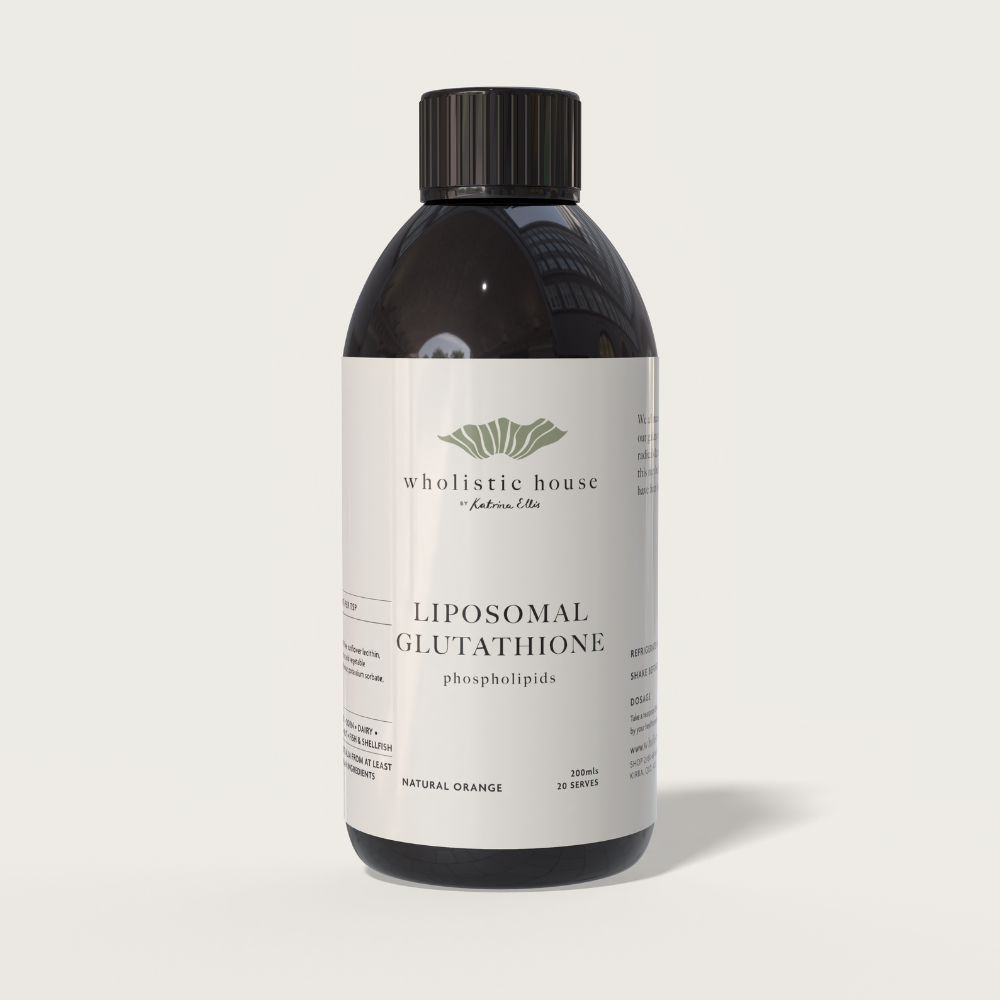
- Glutathione conjugation — the liver's primary antioxidant defence; glutathione is synthesised from glycine, cysteine, and glutamate
When Phase II pathways are under-resourced — nutritionally or due to high demand — Phase I intermediates can accumulate, which increases oxidative stress and slows the overall process.
Phase III — Elimination
Processed compounds move into bile and the digestive system, then out via the bowel. This is why fibre, hydration, and bowel regularity matter as much as the upstream liver work — the elimination pathway has to be open for the whole process to complete.
Food as Liver Support
Diet is the foundation. These are the most targeted choices for liver function and estrogen clearance:
Bitter foods — rocket, dandelion greens, radicchio, endive, globe artichoke. Bitters stimulate bile production, which carries processed hormones from the liver into the digestive tract for elimination. One of the most underused dietary levers for hormonal health.
Cruciferous vegetables — broccoli, kale, Brussels sprouts, cauliflower, cabbage. Contain glucosinolates (including sulforaphane precursors) that upregulate Phase II liver enzymes. Specifically relevant to estrogen metabolism via the indole-3-carbinol to DIM conversion. Aim for daily.
Sulphur-rich foods — garlic, onions, eggs. Sulphur is a substrate for the sulphation pathway and glutathione synthesis. Both directly relevant to Phase II function.
Fibre — chia seeds, flaxseeds, legumes, vegetables. Binds to estrogen in the digestive tract and supports excretion. Without adequate fibre, processed estrogen can be deconjugated and reabsorbed via the gut — undoing the liver's work upstream.
Healthy fats — olive oil and avocado in particular. Bile production requires dietary fat; a low-fat diet can impair bile flow and slow the elimination of processed hormones.
Antioxidant-rich foods — berries, leafy greens, colourful vegetables. Support the liver's antioxidant capacity, particularly during Phase I when oxidative intermediates are produced.
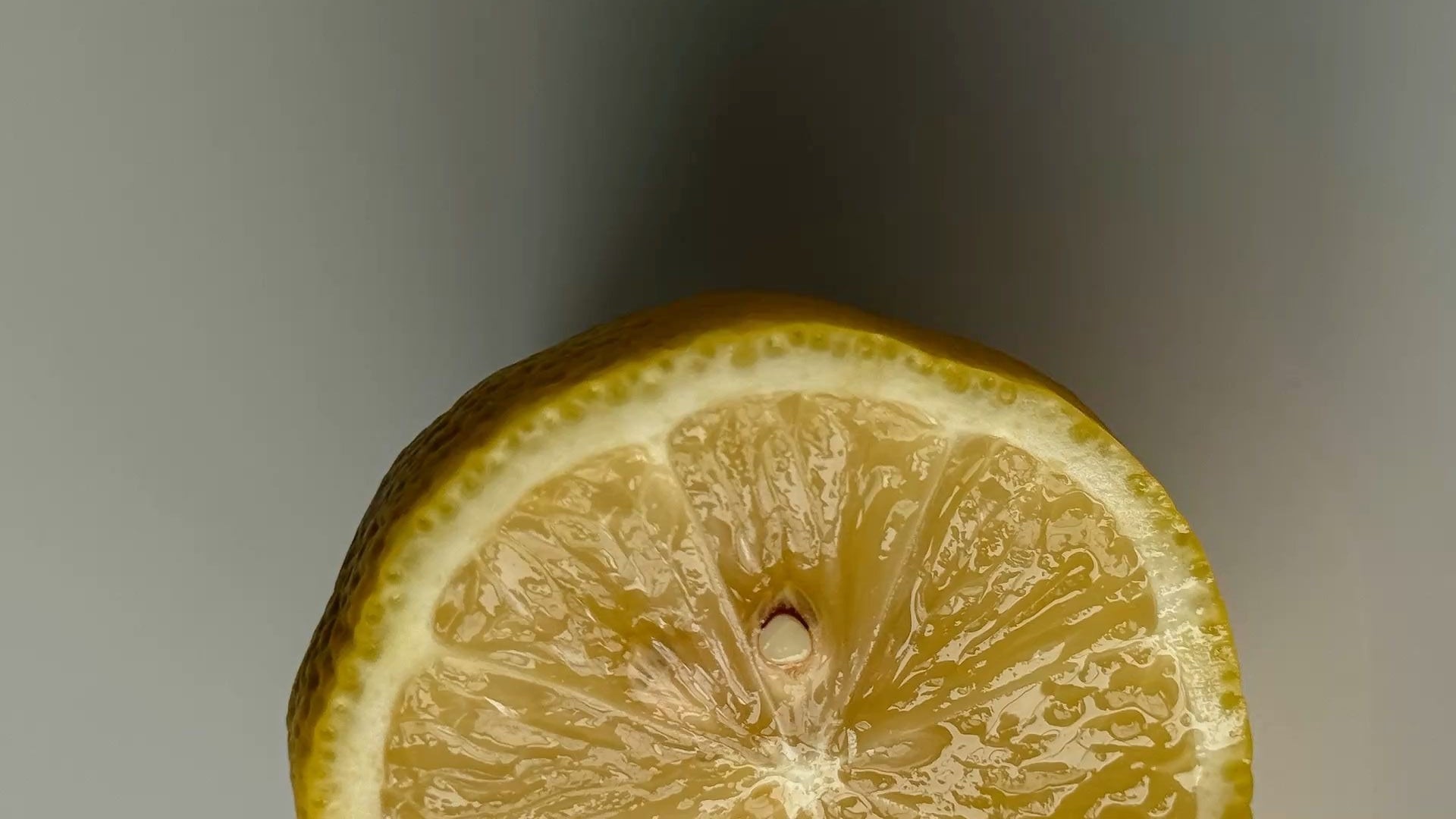
Lemon water, first thing — a practical way to stimulate bile flow and digestive function before the day begins.
Key Nutrients for Liver and Hormonal Wellbeing
Glycine — a precursor to glutathione and involved in bile acid conjugation. Found in gelatinous meats and bone broth; often supplemented.
Taurine — supports bile acid synthesis and conjugation; directly relevant to the bile pathway that carries estrogen metabolites out of the body.
NAC (N-Acetyl Cysteine) — the direct precursor to glutathione. Glutathione is the liver's primary antioxidant and is essential for Phase II function. NAC is one of the most evidence-supported nutrients for liver support.
B vitamins (particularly B6, B12, and folate as 5-MTHF) — essential for the methylation pathway. If you're a poor methylator (MTHFR gene variant), folate as folic acid won't convert efficiently — active folate (5-MTHF) is worth prioritising.
Magnesium — cofactor for hundreds of enzymatic processes, including several in Phase II. Commonly depleted in women with hormonal and stress-related symptoms.
Zinc — supports immune function and several metabolic processes; often depleted in women on or recently off hormonal contraception.
Vitamin C — contributes to antioxidant activity and supports Phase I and II function.
Herbal Support for the Liver
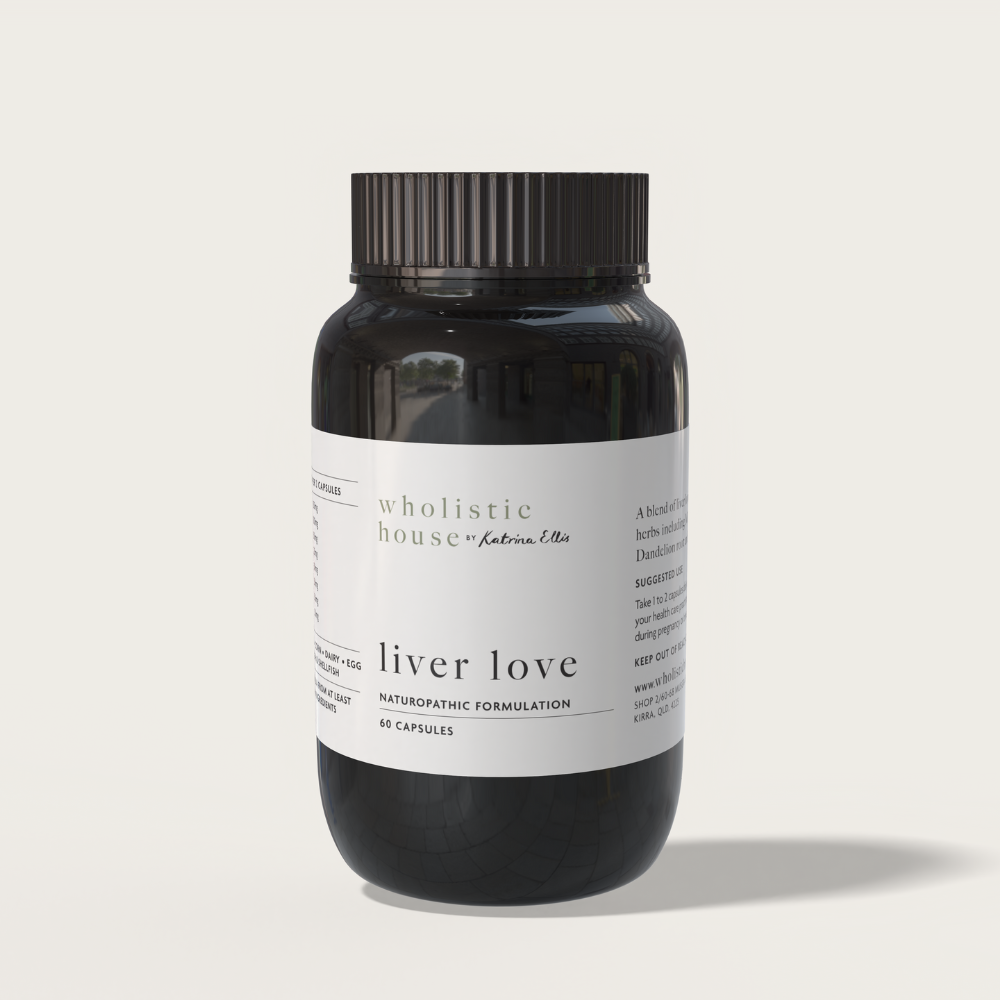
Milk Thistle (Silybum marianum) — traditionally used in Western Herbal Medicine to support liver cell integrity and protect against oxidative damage. Contains silymarin, its primary active compound. One of the most extensively researched hepatoprotective herbs.
Schisandra — traditionally used in Traditional Chinese Medicine (Wu Wei Zi) as an adaptogen and liver tonic. Supports Phase II glutathione S-transferase activity and overall liver resilience.
Dandelion Root — traditionally used in Western Herbal Medicine as a bitter digestive and liver herb. Supports bile flow and gentle elimination. A consistent favourite in clinical practice.
Globe Artichoke — traditionally used in Western Herbal Medicine to support bile acid production and gallbladder function. Directly relevant to the elimination of processed estrogen metabolites via bile.
Burdock Root — traditionally used in Western Herbal Medicine to support elimination processes, skin health, and internal balance. Often combined with Dandelion Root.
Bupleurum (Chai Hu) — traditionally used in Traditional Chinese Medicine as part of formulations supporting liver qi and digestive function. Widely used in TCM women's health protocols.
Green Tea Extract — a concentrated source of EGCG (epigallocatechin gallate), which contributes to antioxidant activity and has been shown to modestly inhibit aromatase (the enzyme that converts androgens to estrogen). A useful addition to liver and estrogen support formulas.
Rosemary — traditionally used in Western Herbal Medicine to support circulation and antioxidant activity. Contributes to Phase II upregulation via rosmarinic acid.
Hydration and Lifestyle
The liver processes approximately 1.5 litres of blood per minute. That constant activity requires consistent hydration to function well — water is integral to bile production, digestive function, and Phase III elimination.
Practical daily support beyond diet:
- Filtered water consistently through the day — not just when thirsty. Mild dehydration meaningfully impacts elimination efficiency.
- Regular movement — supports circulation, lymphatic flow, and metabolic processing. Doesn't need to be intense; consistent matters more.
- Stress management — cortisol directly depletes the B vitamins and glutathione precursors the liver depends on. Managing stress is liver support.
- Restorative sleep — the liver's metabolic activity follows circadian rhythms; deep sleep (particularly between 1–3am in TCM frameworks) is associated with peak liver processing.
- Reducing alcohol — this one is foundational. Even moderate regular alcohol intake significantly increases Phase I demand while depleting the glutathione the liver needs for Phase II.
- Sauna — supports circulation and is a useful complementary practice for overall metabolic health.
Liver Love Juice
A daily tonic worth making a habit:
- ½ beetroot
- Handful of rocket
- Handful of dandelion leaves
- 2 green apples
- ½ lemon, juiced
- ⅓ tbsp aloe vera juice
- 2 tablespoons chlorophyll or 1 teaspoon pure phytoplankton powder
- Alkaline water
Cold press and drink fresh — ideally in the morning before food to maximise the bitter and digestive stimulus.
At Wholistic House, we support women navigating fatigue, hormonal imbalance, and the demands of modern life. For personalised guidance, we're here.
In love, harmony, and a healthy body 🌿
Referenced products

Leave a comment
This site is protected by hCaptcha and the hCaptcha Privacy Policy and Terms of Service apply.