

Endometriosis, Adenomyosis & Hormone Balance: Supporting your Body Naturally
Endometriosis and Adenomyosis: Understanding the Hormonal Environment
If you've been diagnosed with endometriosis or adenomyosis, you've probably already noticed that the diagnosis itself doesn't come with many answers.
You know what it is. What you're still working out is why — what's driving it, what the underlying patterns look like in your body, and what you can actually do beyond the options you've been given.
That's the conversation we want to have here.
What Are We Actually Dealing With?
Endometriosis involves tissue similar to the uterine lining growing outside the uterus — often within the pelvic region and is commonly associated with inflammation, pelvic discomfort, and changes to menstrual patterns.
Adenomyosis, while related, involves this tissue within the muscular wall of the uterus itself, often contributing to a feeling of heaviness, fullness, and changes in menstrual flow.
Women commonly describe a cluster of symptoms that go beyond just period pain:
- Pelvic discomfort or pressure
- Bloating and digestive changes
- Heavier or more frequent cycles
- Fatigue that doesn't resolve with rest
- Discomfort during certain activities
- Changes in bowel or bladder patterns
- A general sense of inflammation or swelling
What's important to understand is that these conditions don't exist in isolation. They sit within a much larger systemic picture and that picture is where naturopathic practice focuses.
The Systemic Picture: Hormones, Gut, Immunity, and Environment
Endometriosis and adenomyosis are increasingly understood as conditions influenced by the interaction of hormonal, immune, inflammatory, and environmental factors - not a single cause, but a pattern across multiple systems.
Hormones — Estrogen, Progesterone, and the Liver
The relationship between estrogen and progesterone is central. Both the pattern of these hormones and how the body metabolises and clears them matters enormously.
Estrogen clearance happens primarily through the liver, via a process called glucuronidation and then through the digestive system. When these pathways are under pressure, estrogen may recirculate rather than clear efficiently, which can influence how hormonal signals are experienced throughout the cycle.
This is why supporting the liver and gut isn't a peripheral consideration in endo and adenomyosis, it's foundational.
The Gut–Hormone Connection
The gut microbiome plays a direct role in estrogen metabolism. Specific bacteria in the gut produce an enzyme called beta-glucuronidase, which can deconjugate estrogen and allow it to be reabsorbed rather than eliminated. An imbalanced microbiome — dysbiosis — can meaningfully affect how estrogen is processed.
Beyond that, gut health influences nutrient absorption, immune function, and systemic inflammation. It's almost always part of the clinical picture for women with endometriosis and adenomyosis.
Immune Function and Inflammation
There's growing clinical discussion around the role of the immune system in endometriosis. Normally, the immune system would clear ectopic tissue — in endometriosis, this process appears altered. Inflammatory pathways, immune dysregulation, and the body's response to internal changes are all increasingly included in the clinical conversation.
Some practitioners also explore the role of microbial patterns, including bacterial and viral factors — particularly where immune function appears involved. This is an evolving area, and it reinforces why a broad, systems level approach tends to be more useful than targeting one pathway.
Xenoestrogens and Environmental Load
We live in an environment saturated with compounds that interact with estrogen receptors in the body — commonly called endocrine-disrupting chemicals (EDCs) or xenoestrogens. Because the body doesn't clearly distinguish between endogenous estrogen and these external compounds, they can add to the total hormonal load and influence how estrogen signals are received and processed.
Common sources include:
- Plastics and food packaging, particularly when heated
- Pesticides and herbicides
- Non-organic animal products
- Personal care and cleaning products
- Industrial chemicals such as PCBs
- Heavy metals and environmental pollutants
Reducing exposure to xenoestrogens is a standard consideration in naturopathic approaches to endometriosis and adenomyosis — not because it addresses the condition directly, but because it reduces unnecessary hormonal load on a system that's already under pressure.
Testing: Building Your Own Picture
For women who want to understand their specific hormonal patterns, practitioners may use:
- DUTCH testing (urinary hormone testing) — assesses hormone metabolite patterns, including how estrogen is being broken down
- Comprehensive blood panels — to assess sex hormones, thyroid, iron, nutrients
- Gut microbiome mapping — to understand the specific bacterial environment affecting hormone metabolism
- Genetic and nutritional assessments — SNP testing for methylation, COMT, and other pathways relevant to hormone processing
"Your bloods came back normal" is not the same as a full hormonal picture. DUTCH testing in particular gives a level of detail that standard blood panels don't — if you haven't explored it, it's worth discussing with your practitioner.
Nutrition to Support the Hormonal Environment
Diet isn't a cure for endometriosis or adenomyosis, but it's a genuinely meaningful lever — particularly for supporting the liver pathways, gut microbiome, and inflammatory load that influence how these conditions behave.
Prioritise:
Fibre — vegetables, legumes, flaxseeds, and fibres like PHGG. Fibre binds to estrogen in the gut and supports its elimination. This is not optional.
Cruciferous vegetables — broccoli, Brussels sprouts, kale, cabbage, cauliflower. These contain glucosinolates that support estrogen metabolism via the liver's phase II detoxification pathways. Aim for daily.
Flaxseeds — lignans in flaxseed modulate estrogen activity and support healthy elimination. A tablespoon daily is a simple, evidence-supported addition.
Prebiotic and probiotic foods — sauerkraut, kefir, yoghurt, miso, leeks, onions, asparagus, apples. Diversity in the gut microbiome directly affects estrogen metabolism. Variety matters more than volume.
Omega-3 fatty acids — chia seeds, flaxseeds, walnuts, oily fish. Anti-inflammatory dietary pattern, broadly supportive.
Antioxidant-rich foods — berries, leafy greens, colourful vegetables. Cellular health and oxidative load.
Turmeric and ginger — widely used in anti-inflammatory dietary approaches. Turmeric in particular is a staple in clinical nutrition for inflammatory conditions.
Be Mindful Of:
- Refined sugar and highly processed foods — increase inflammatory load
- Excessive alcohol — impairs liver clearance of estrogen
- High caffeine intake — can affect hormonal signalling
- Heating food in plastic containers — xenoestrogen exposure
- Foods with additives and preservatives
Food sensitivity investigation can also be worthwhile — for some women, identifying and removing trigger foods meaningfully improves digestive comfort and systemic inflammation.
Nutrients Commonly Used in Clinical Practice for Endo and Adenomyosis
These are ingredients naturopathic practitioners commonly work with when supporting women with endometriosis and adenomyosis. They target the specific physiological pathways most relevant to these conditions.
Calcium D-Glucarate — supports the glucuronidation pathway, the liver's primary route for conjugating and eliminating estrogen. Without adequate glucuronidation, estrogen may be deconjugated and reabsorbed.
DIM (Diindolylmethane) — formed from cruciferous vegetables, supports healthy estrogen metabolism — specifically the conversion of estrogen toward the less potent 2-OH pathway rather than the 16-OH pathway associated with stronger estrogenic activity.
I3C (Indole-3-Carbinol) — the precursor to DIM, found in broccoli and cabbage. Supports liver phase II estrogen processing.
Broccoli Sprouts (Sulforaphane) — a concentrated source of sulforaphane, which supports Nrf2 activation — a key antioxidant and detoxification pathway in the liver.
Magnesium — involved in over 300 enzymatic processes. Supports nervous system regulation, muscle relaxation, and is involved in COMT enzyme activity — which plays a role in estrogen breakdown. Commonly depleted in women with endo.
Zinc — supports immune function, tissue health, and progesterone production. Often assessed as part of a full hormonal workup.
Omega-3 fatty acids — broad anti-inflammatory support. EPA and DHA specifically.
Probiotics — support gut microbiome diversity, reduce beta-glucuronidase activity, and support healthy estrogen elimination. Strain selection matters — discuss with your practitioner.
Lifestyle Practices Worth Taking Seriously
These aren't add-ons — for many women with endometriosis and adenomyosis, these practices form a meaningful part of their overall management approach.
Abdominal massage — traditionally used to support circulation and relaxation in the pelvic and abdominal area. Some women with endo find this helpful for comfort and tension.
Movement and rebounding — light activities such as walking, swimming, or rebounding (mini trampoline) support lymphatic flow and circulation. Gentle, consistent movement is far more useful than intense exercise that increases cortisol.
Castor oil packs — a traditional naturopathic self-care practice. Applied to the lower abdomen, traditionally used to support relaxation and circulation in the area.
Nervous system regulation — breathwork, meditation, restorative yoga. Cortisol competes with progesterone for receptor sites — chronic stress directly affects hormonal balance. Nervous system regulation isn't optional; it's part of the hormonal picture.
Herbal Medicine for Endometriosis and Adenomyosis
Herbal medicine is one of the more powerful tools in naturopathic practice for women with these conditions, but it works best when prescribed to the individual. Below are some of the herbs most commonly discussed in clinical practice.
Burdock & Dandelion Root — both traditionally used in Western Herbal Medicine to support liver function, bile flow, and the body's elimination processes. Directly relevant to estrogen clearance.
St Mary's Thistle (Milk Thistle) — traditionally used in Western Herbal Medicine to support and protect the liver. Contains silymarin, which contributes to antioxidant activity and supports liver cell integrity. A foundational liver herb.
Chastetree (Vitex agnus-castus) — traditionally used in Western Herbal Medicine to support healthy progesterone levels and menstrual cycle regularity. Progesterone support is particularly relevant in the context of relative estrogen dominance.
White Peony (Bai Shao) — traditionally used in Traditional Chinese Medicine as part of formulations supporting women's hormonal health, menstrual regularity, and overall vitality.
Chamomile — traditionally used in Western Herbal Medicine to support relaxation, ease nervous tension, and soothe mild digestive discomfort. A gentle but genuinely useful herb for the stress and gut components of these conditions.
Turmeric — traditionally used in Ayurvedic medicine to support joint comfort and general wellbeing. Contributes to antioxidant activity via curcumin. Widely incorporated into clinical nutrition for inflammatory presentations.
Dong Quai (Dang Gui) — traditionally used in Traditional Chinese Medicine as a key women's tonic herb, often included in formulations supporting menstrual health and vitality.
Other herbs commonly used in naturopathic practice for endometriosis and adenomyosis include Rehmannia, Schisandra, Cramp Bark, Squaw Vine, and Licorice — typically combined and tailored to the individual's specific picture.
Herbal medicine works best as part of a personalised protocol. If you're self-prescribing, start conservatively and ideally run it past a practitioner who knows your full case.
Where to Start
If this all feels like a lot, it is. These conditions are genuinely complex, and the systemic approach we take at Wholistic House is deliberately comprehensive because the conditions warrant it.
But complexity doesn't mean you need to do everything at once. Most women we work with start with three things: clean up the diet, support the liver and gut, and address the hormonal load. Everything else builds from there.
If you want a clear path forward that's specific to your history, your test results, and your goals — that's exactly what a consultation is for.
At Wholistic House, we support women navigating all stages of hormonal health. If you'd like personalised guidance, we're here.
In love, health and hormonal harmony
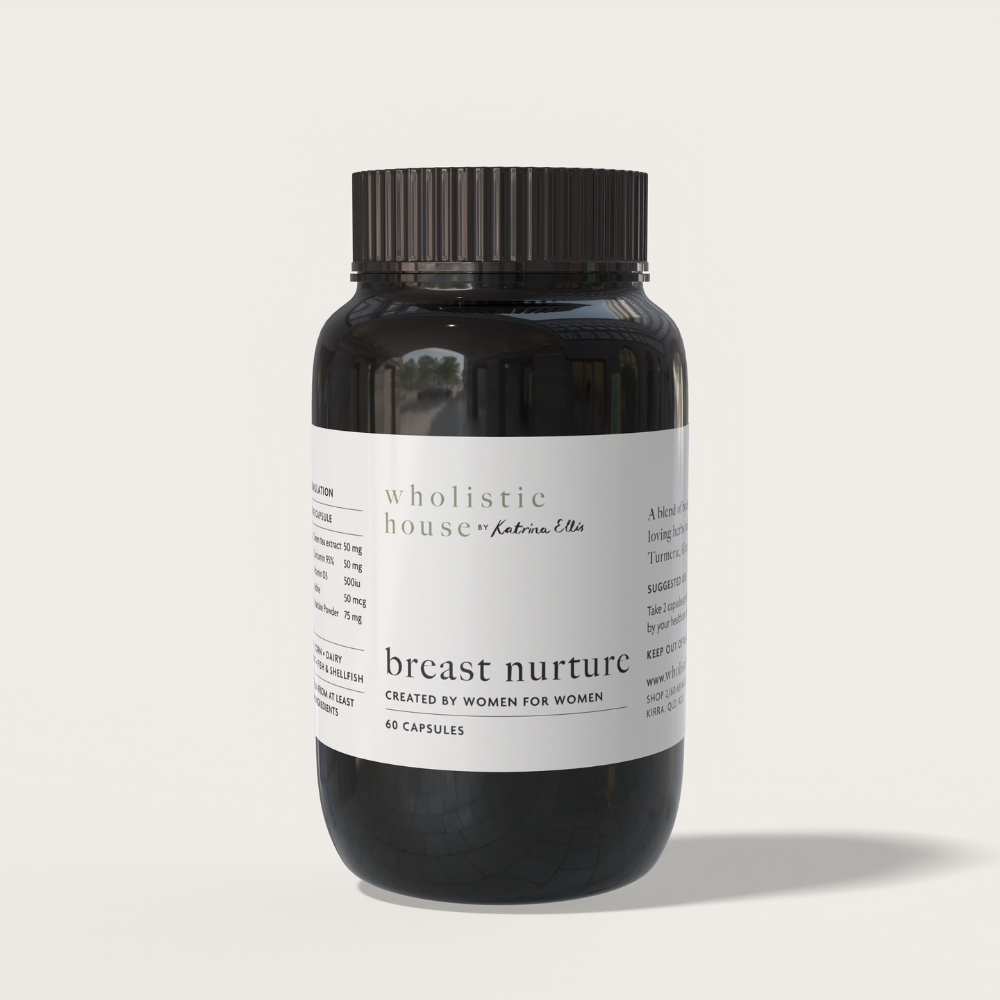
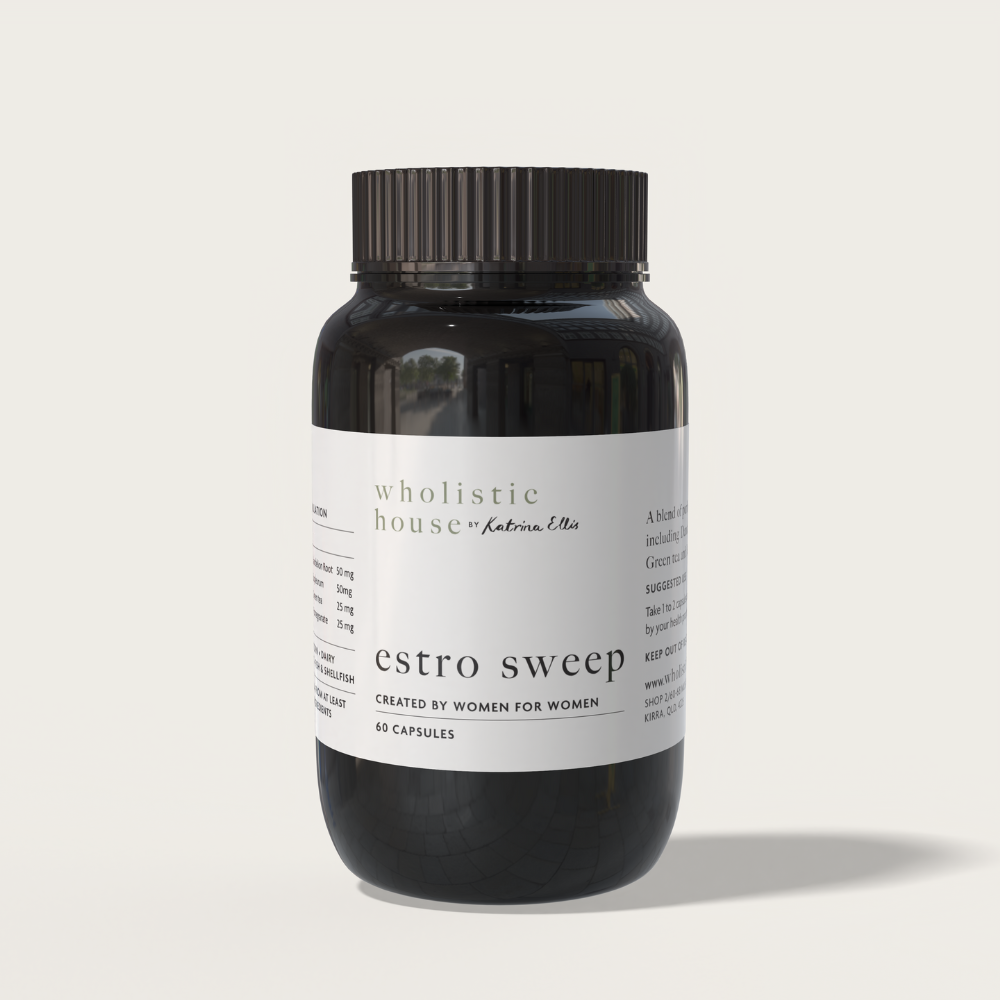
Referenced products



Leave a comment
This site is protected by hCaptcha and the hCaptcha Privacy Policy and Terms of Service apply.